Peat Alternatives and Sterilization for Seed-Starting Mixes
Recipes, safety notes, and practical methods for coco coir blends, heat treatment of potting substrates, and tray sanitation before sowing — adapted for Canadian climate conditions.
Coco Coir Blends
Practical mix ratios using coco coir as a peat substitute, with notes on buffering and wetting agents.
Heat Sterilization
Oven and microwave methods for eliminating pathogens and weed seeds from homemade potting mix.
Tray Sanitation
Bleach, hydrogen peroxide, and hot-water protocols for cleaning seed trays between growing cycles.
Canadian Context
Notes on sourcing materials in Canada, provincial regulations on peat harvesting, and timing for short seasons.
Guides and Reference Notes
Each article covers one aspect of preparing a clean, effective seed-starting substrate — from ingredient ratios to sanitization procedures.

Coco Coir Blends for Seed-Starting: Ratios and Amendments
How to formulate a peat-free seed-starting mix using coco coir, perlite, and vermiculite, with buffering steps for Canadian tap water.
Read article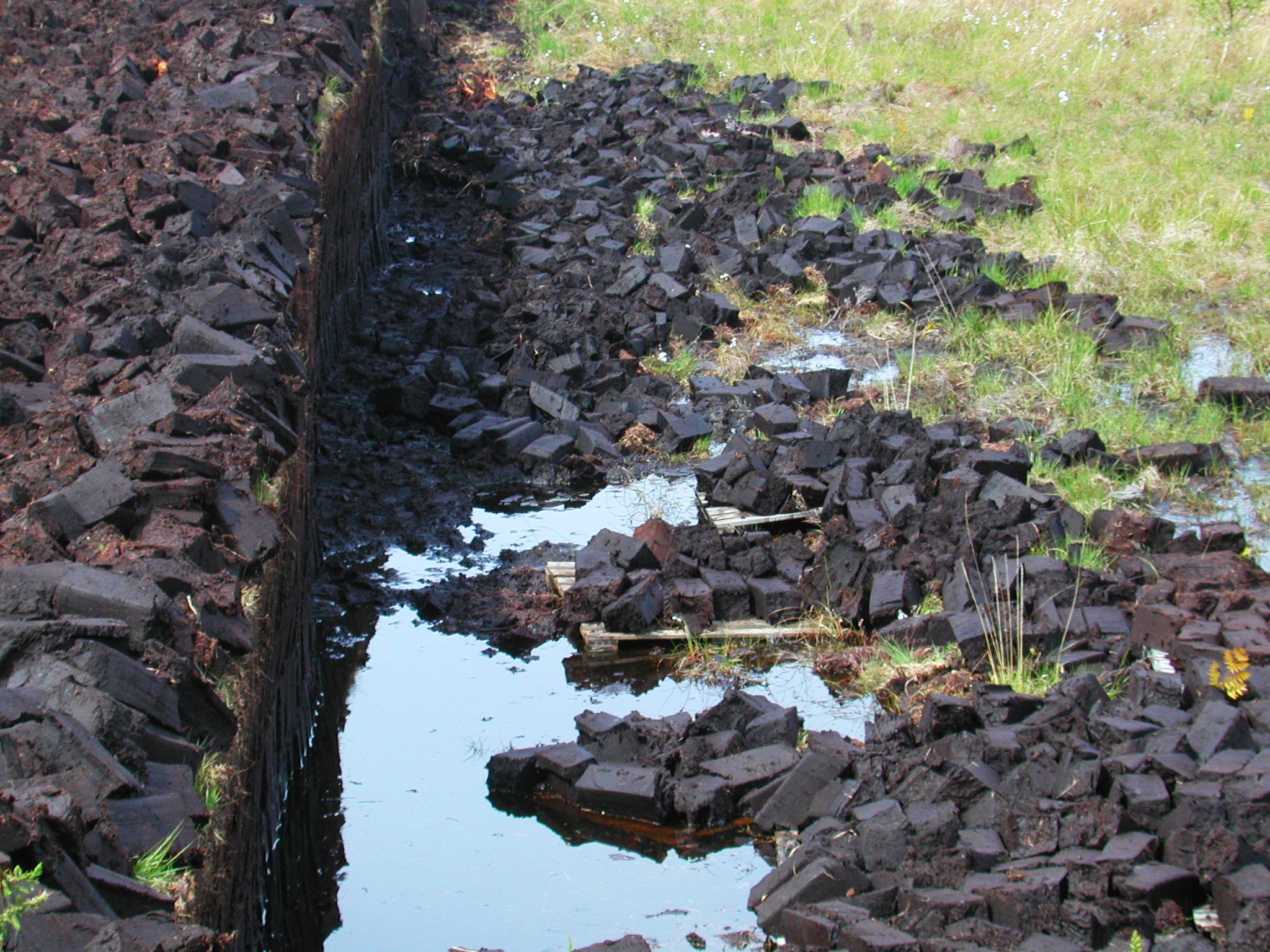
Heat Treatment of Seed-Starting Mix: Oven and Microwave Methods
Step-by-step procedures for pasteurizing homemade potting substrates to reduce damping-off risk before sowing.
Read article
Tray and Cell Sanitation Protocols Before Sowing
Bleach dilutions, hydrogen peroxide rinses, and hot-water soak schedules for reused plastic seed trays and cell packs.
Read articleWhy Peat Alternatives Matter in Canada
Canada holds a significant portion of the world's peat bogs, primarily in boreal regions of Ontario, Quebec, and the western provinces. Sphagnum peat has been the standard component in commercial seed-starting mixes for decades, valued for its low pH, fibrous structure, and consistent water retention.
Growing awareness of peatland ecology — bogs function as long-term carbon sinks and specialized habitats — has prompted both commercial growers and home gardeners to examine alternatives. Coco coir, the fibrous material processed from coconut husks, has become the most widely available substitute across Canadian garden centres and online suppliers.
Unlike peat, coco coir is a byproduct of coconut processing, meaning its use does not require extracting material from functioning bog ecosystems. It requires some preparation before use in seed-starting applications, particularly buffering to adjust for natural salts and pH variations.

Sphagnum moss — the primary source of horticultural peat. Photo: Christian Fischer / CC BY-SA 3.0
Get in Touch
Questions about specific growing conditions in your province, or notes on a particular substrate combination? Use the form to send a message.
This site does not sell products or offer consulting. Content is for informational reference only.